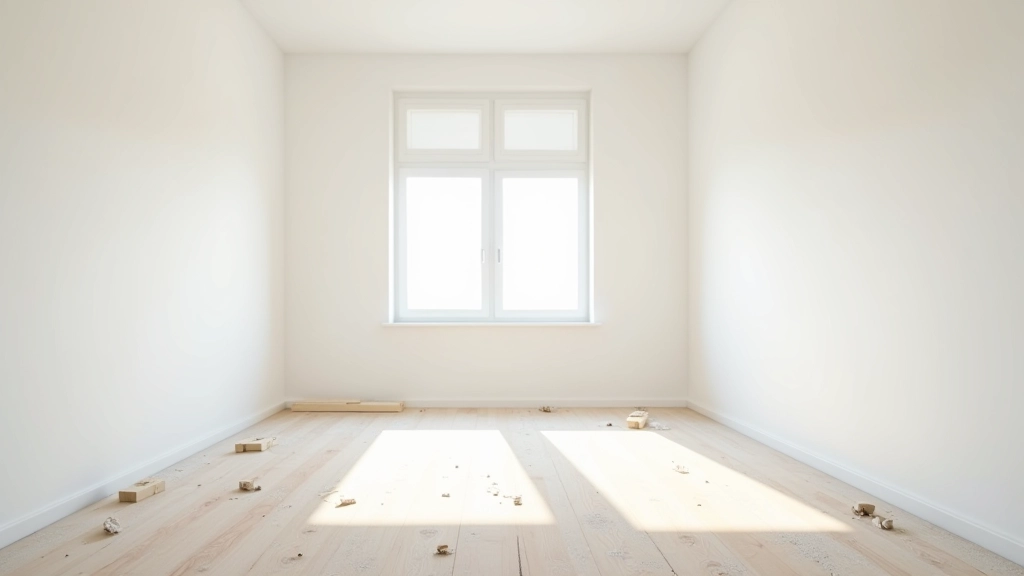
Understanding Construction Dust and Where It Hides
Construction dust isn't just on visible surfaces. It settles into air vents, behind baseboards, and inside cabinet doors where you won't see it until later.
A structured approach that prevents missing spots and saves time. Start from top to bottom — here's exactly why.
You've probably noticed that dust seems to appear everywhere after renovation work. That's because it does. Without a clear system, you'll find yourself cleaning the same surfaces multiple times, wasting energy and missing hidden pockets of debris.
The top-to-bottom approach isn't just efficient — it's physics. Gravity pulls dust downward naturally. When you start at the ceiling and work your way down, you're working with gravity instead of against it. We've seen this method cut cleanup time in half for most apartments.
Always clean from top to bottom, left to right. This single principle prevents you from re-contaminating surfaces you've already cleaned and ensures you catch falling dust before it settles.
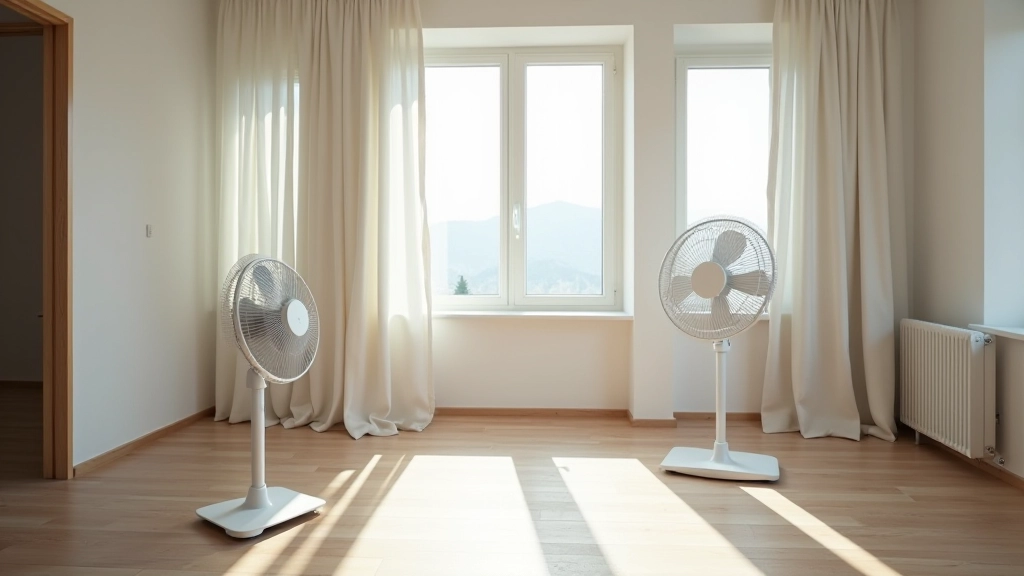
Before touching a single surface, you need to establish airflow. Open all windows and exterior doors to create cross-ventilation. If you're working in winter or bad weather, use fans to push air outward from your space. This prevents dust from just moving around inside.
Put on your protective gear — N95 mask, gloves, and eye protection. You'll be disturbing settled dust, and it's important to protect yourself. Most people skip this step, but respiratory protection is genuinely important when dealing with construction debris.

Start with a dry cloth and handle the ceiling first. Wipe down any visible dust, cobwebs, or debris from corners and crown molding. Don't use water yet — dry cleaning first prevents dust from turning into sticky residue that's harder to remove.
Move systematically across the ceiling in sections, then tackle the upper portions of walls. This is where a lot of fine dust settles, and you'll want to catch it before it falls onto already-cleaned lower areas. A microfiber cloth works better than standard rags — it actually captures particles instead of pushing them around.
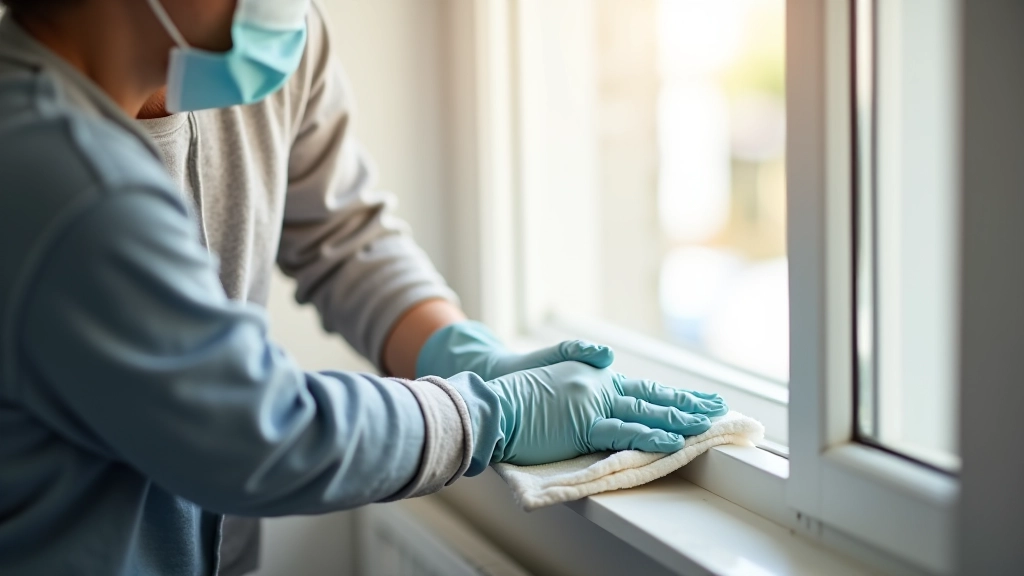
Window sills collect an incredible amount of dust. Use a damp cloth and actually get into the corners where the frame meets the sill. Don't rush this — construction dust can be gritty and abrasive, so you want to remove it carefully to avoid scratching the surfaces.
Clean light fixtures, door frames, and any wall-mounted hardware. These are often overlooked but they're visible, and dust sticks to them stubbornly. A slightly damp cloth works better than dry here, but avoid oversaturating — water dripping onto clean floors just creates more work.
Now you can tackle the floors. Use a HEPA filter vacuum first — standard vacuums actually push fine particles back into the air, defeating your purpose. A HEPA filter captures particles that would otherwise become airborne again.
After vacuuming, do a damp mop with clean water. You'll be surprised how much fine dust the mop picks up even after vacuuming. Change your water frequently — dirty water just redeposits particles on clean floors. Pay special attention to corners and baseboards where dust accumulates.
Walk through the entire apartment with fresh eyes. Look for missed spots — the back of cabinet doors, inside closets, around door frames. Use a flashlight if needed. This final pass catches the details that make the difference between "cleaned" and "thoroughly cleaned."
Once you've finished, leave the windows open for at least 2-3 hours if weather permits. This allows any remaining airborne particles to settle and exit through ventilation. Don't seal the apartment immediately after cleanup — let it breathe.
Post-renovation cleanup feels overwhelming, but it's really just a sequence of decisions. Follow the top-to-bottom approach, use the right tools, and don't rush the details. Most apartments are genuinely finished in 6-8 hours with this method. Some take longer depending on the renovation scope, but you'll see real progress immediately.
The key is staying organized and not second-guessing yourself. Once you've cleaned an area, don't go back and re-clean it unless you dropped something. That's where time gets wasted. Trust the process and move forward.
The information provided in this article is for educational and informational purposes only. Cleanup methods and timelines can vary significantly depending on the scope of renovation, apartment size, and local conditions in Pardubice. For major renovations or specialized cleaning situations, consider consulting with professional cleanup services. Always wear appropriate protective equipment when handling construction debris and dust.