

How to Prevent Dust Spread During Your Cleanup Project
Without proper ventilation and containment, you'll just move dust around. Learn the techniques that actually keep it contained to one area.

The Dust Problem Nobody Talks About
You've finished the renovation. Walls are painted, floors are down, fixtures are installed. Now comes the part that makes most people frustrated—getting all that dust out. Here's the thing: if you don't contain and control dust properly, it doesn't disappear. It just settles into places you didn't think to clean.
Dust travels. It floats through doorways, settles on furniture you thought was protected, gets into air ducts, and shows up in rooms you weren't even working in. We're not talking about visible dust piles. We're talking about the fine particles that make your apartment feel unfinished weeks after the work is done.
Why Containment Matters
Dust containment isn't just about keeping things clean. It's about protecting your furniture, your belongings, and your respiratory health during the cleanup process. Proper containment reduces cleanup time by 30-40% because you're not dealing with dust that's spread across your entire apartment.
Seal Off Your Work Area Completely
The foundation of dust control is isolation. You're not trying to stop every particle—that's impossible. You're creating a boundary that slows dust from traveling to other rooms. Start by closing all doors to adjacent spaces. But closed doors aren't enough. Air pressure differences push dust under and around door frames.
Use plastic sheeting and duct tape to seal doorways. Run the plastic from floor to ceiling, overlapping the frame by at least 6 inches on all sides. Don't just tape it flat—create a small overlap at the bottom where people pass through, like a flap. This way, you can move in and out without fully removing the seal. Make sure the seal is tight. You're looking for zero gaps where dust can slip through.
Windows in the work area should also be sealed if they open to other rooms or outdoor air during humid months. Tape plastic over them from the inside. This reduces the number of entry points for outside moisture and dust.

Control Air Movement with Fans and Ventilation
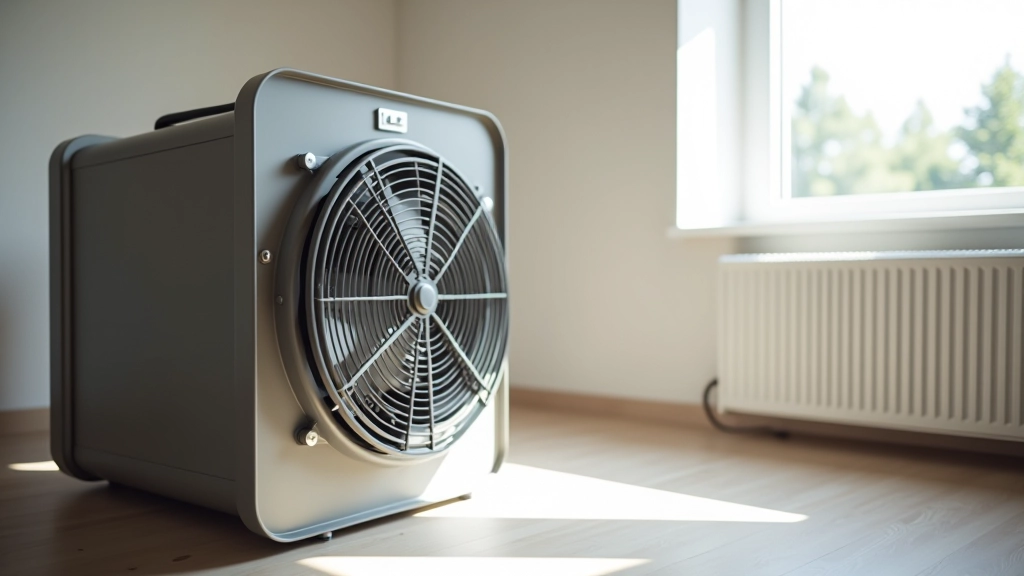
Once your work area is sealed, you need to move dust out. This is where ventilation strategy makes the difference between success and frustration. You've got two approaches: negative pressure or positive pressure.
Negative pressure pulls dust out of the room faster than it can spread. Set up a box fan in the window pointing outward. This creates a pressure difference that sucks air (and dust) toward the window and outside. It's simple but effective. One fan typically works for rooms up to 400 square feet. Larger spaces need multiple fans. Position the fan about 2-3 feet from the window to maximize airflow.
Don't forget the exhaust. That dust needs somewhere to go. Direct the fan's output away from neighboring windows and areas where people gather. If you're on an upper floor, it's less of a concern. If you're on a lower floor, be thoughtful about where the dust goes.
Keep the fan running continuously while you're working and for 30 minutes after you finish sweeping or using power tools. That final half hour captures particles still floating in the air.
Three Critical Steps Before You Start
- Seal doorways with plastic sheeting and duct tape. Don't skip this—it's the most important part of dust containment.
- Set up exhaust ventilation (fan in window pointing outward) before any work begins. Test it to confirm air is flowing outside.
- Prepare wet cleanup supplies before starting. Have buckets, wet cloths, and a mop ready so you can start damp cleaning immediately.
Related Articles You Might Find Helpful

Wet Cleaning Captures More Than Dry Sweeping
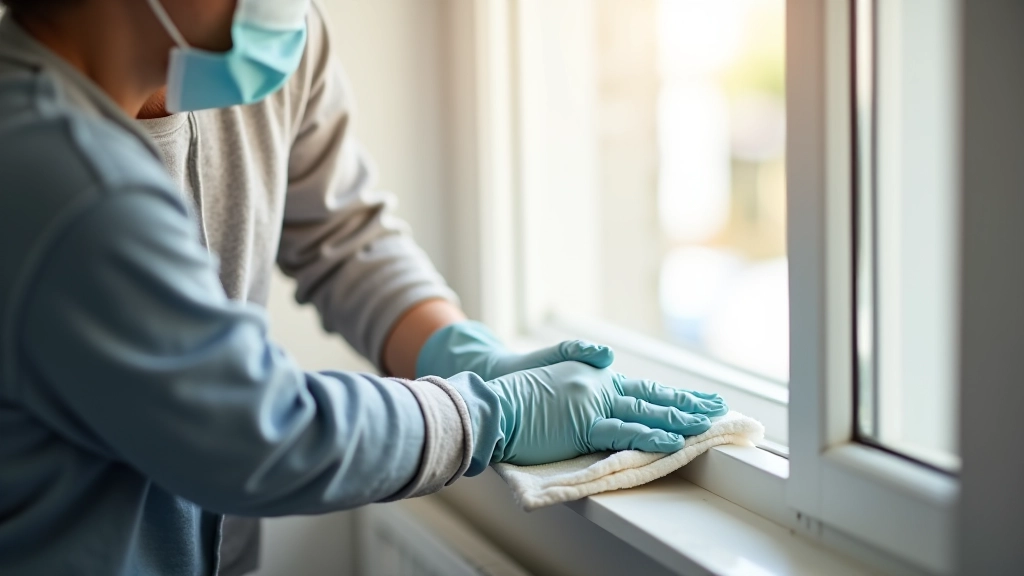
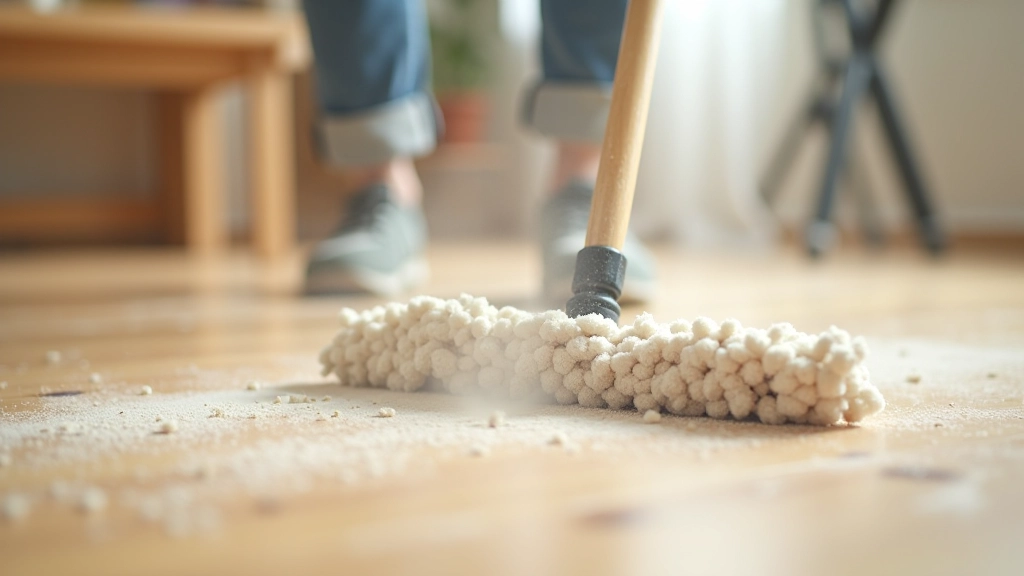
Here's what most people get wrong: they sweep first, then try to contain dust. It doesn't work. Sweeping stirs up particles and sends them flying. Start with wet methods instead.
Use a damp cloth or mop for all horizontal surfaces. Not soaking wet—damp. Wet surfaces trap dust particles and prevent them from becoming airborne. Floors should be damp-mopped, not dry-swept. This single change reduces the amount of dust floating in the air by 60-70%.
For surfaces you can't wet-clean (like inside HVAC returns or electrical outlets), use a HEPA-filter vacuum with the hose attachment. Regular vacuums without HEPA filters just push fine particles back into the air. HEPA filters actually capture particles smaller than a grain of salt.
Work systematically. Start at the far corner from your ventilation fan and work toward it. This way, you're moving dust toward the exit, not fighting against air movement.
The Real Difference Proper Containment Makes
Dust control comes down to three things: seal your work area, control air movement, and use wet cleaning methods. These aren't complicated techniques. They're straightforward strategies that work because they respect how dust actually behaves.
You don't need expensive equipment. A box fan, plastic sheeting, duct tape, and a damp mop handle 90% of the dust problem. The key is doing it right from the start rather than trying to chase dust around your apartment after the fact.
Start with containment before you begin any cleanup work. Set up your fans and seals while the space is empty. Then clean methodically, working toward your ventilation exit. By the time you're done, most of the dust is already gone instead of settling on everything you own.
Disclaimer
This article provides educational information about dust containment techniques for post-renovation cleanup. The information presented is based on general construction practices and should not be considered professional cleaning advice. Individual circumstances, apartment layouts, and local conditions vary significantly. Before undertaking major cleanup projects, consider consulting with a professional cleaning service to assess your specific situation. Results and effectiveness depend on proper implementation of these techniques and your apartment's unique characteristics.